Custom printed boxes: choosing between flexo, digital and litho-laminated print
What each print method does well on corrugated board, how run length and artwork decide the choice, and what to supply to get it right first time.
By Tradepack ·
Print is where packaging stops being a box and starts being brand. It is also where quotes diverge most, because three different processes can print the same carton and they cost, look and behave differently. Here is how to choose.
The three routes
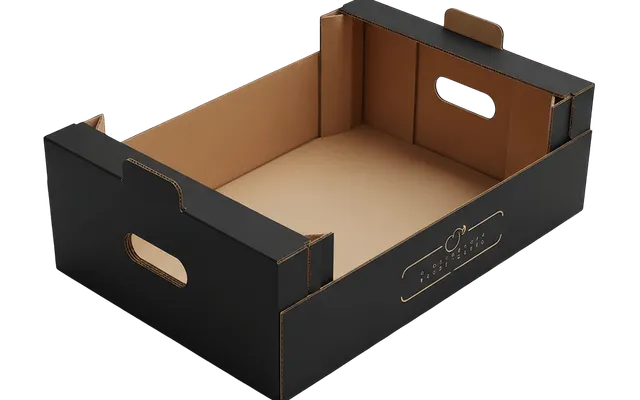
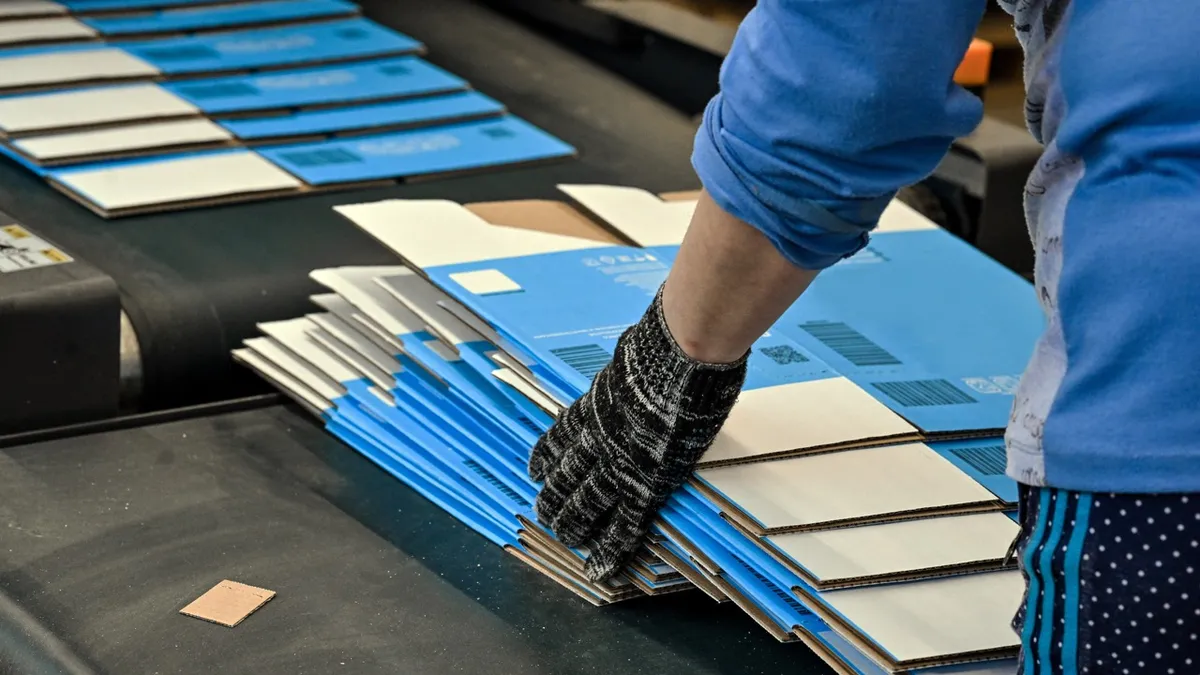
Flexographic print, in-house. Our press prints up to two colours directly onto the corrugated sheet as it enters the conversion line. Because it happens inline, a printed box takes no longer to make than a plain one and carries no separate handling cost. It is the most economical way to put a logo, a handling mark, a barcode or SKU identification on a box at volume, and it repeats consistently run after run. See flexographic printing for the detail.
Digital print, through partners. Full-colour artwork with no printing plates. That makes it practical for shorter runs, for testing designs before committing, and for varying the artwork between boxes in the same order. Cost per box is higher than flexo, and it does not fall as sharply as volume rises, so it suits hundreds and low thousands rather than pallet after pallet.
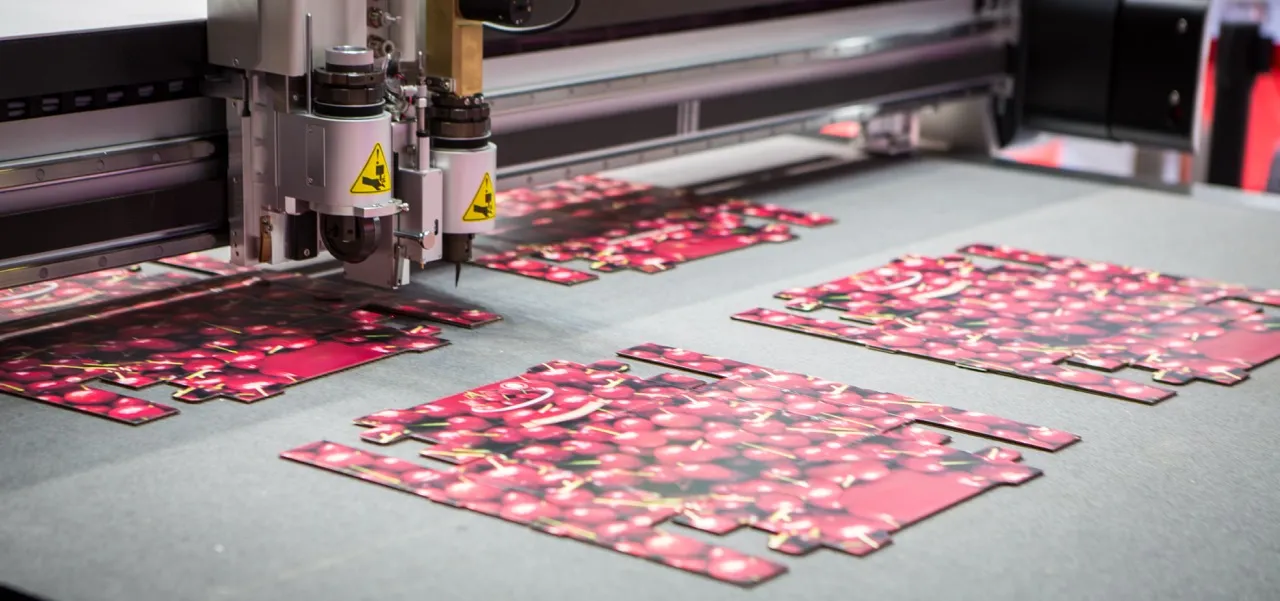
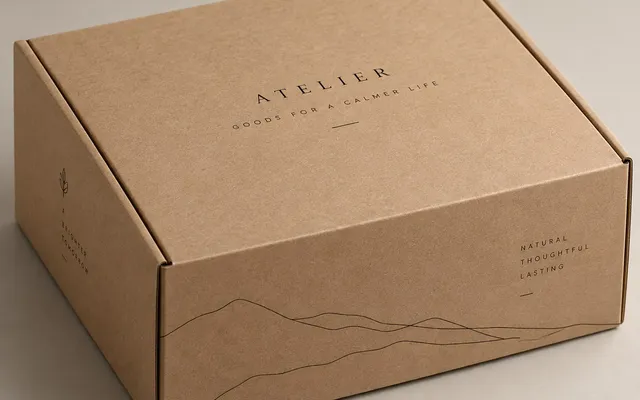
Litho-lamination, through partners. The artwork is printed by lithography onto a sheet of paper, which is then laminated onto the corrugated board. It gives photographic detail, fine gradients and rich, even colour, and it is the route to genuinely premium unboxing. It costs the most per box and adds a stage to the process, so it is usually reserved for the outer pack that the customer actually sees, such as a gift box or an advent calendar.
The three can be combined. A litho-laminated outer with simply printed inner boxes puts the money where the customer looks first.
What the board does to the print
Corrugated is not paper, and the board you choose changes the result.
- Kraft versus white. Ink on natural kraft reads warmer and darker; the same ink on a white or mottled white liner looks brighter and cleaner. If brand colours must be accurate, a white-faced liner is usually the answer. Our board grades guide covers liner options.
- Flute size. Finer flutes such as E give a flatter surface and sharper print. On larger flutes, heavy solid areas can show a faint ridged pattern where the board dips between the flutes.
- Coverage. Large blocks of solid colour are more demanding than line work, and they show any inconsistency in the board surface.
Designing for the process
Whichever route you take, a few rules keep artwork out of trouble.
- Work on the dieline. We supply it. Artwork designed to a rectangle rather than the actual blank will not fold where you expect.
- Keep detail away from creases. Print across a fold will crack a little; logos and small text belong on flat panels.
- Allow for registration tolerance. Corrugated print moves slightly more than litho on paper. Avoid designs that depend on two colours meeting exactly.
- Mind the manufacturer’s joint and any glue areas, which must stay free of ink for the glue to hold.
- Specify colour properly. Give Pantone references rather than “our blue”, and remember that a Pantone on kraft will not look like the same Pantone on a screen.
Cost drivers
Four things move the price: the number of colours, the tooling and plates, the run length, and the board. Plates and dies are one-off costs that are retained for repeat runs, so the first order carries them and subsequent orders do not. That is why a quote for 1,000 boxes and a quote for 10,000 rarely differ by a factor of ten.
What to send with an enquiry
The internal dimensions and style, the board if you know it, the quantity and how it will be called off, the artwork or brand guidelines with Pantone references, and a note of what the packaging has to achieve: plain functional branding, retail shelf presence, or a premium unboxing moment. That last point usually decides the print route on its own.
Send it all with a quote request, or see bespoke packaging for how a printed format is developed from brief to production.