Wine and spirits gift boxes: presentation packs that still ship safely
How to specify a wine or spirits gift box that presents well and survives a courier: formats, fitments, board, print and the lead times Christmas demands.
By Tradepack ·
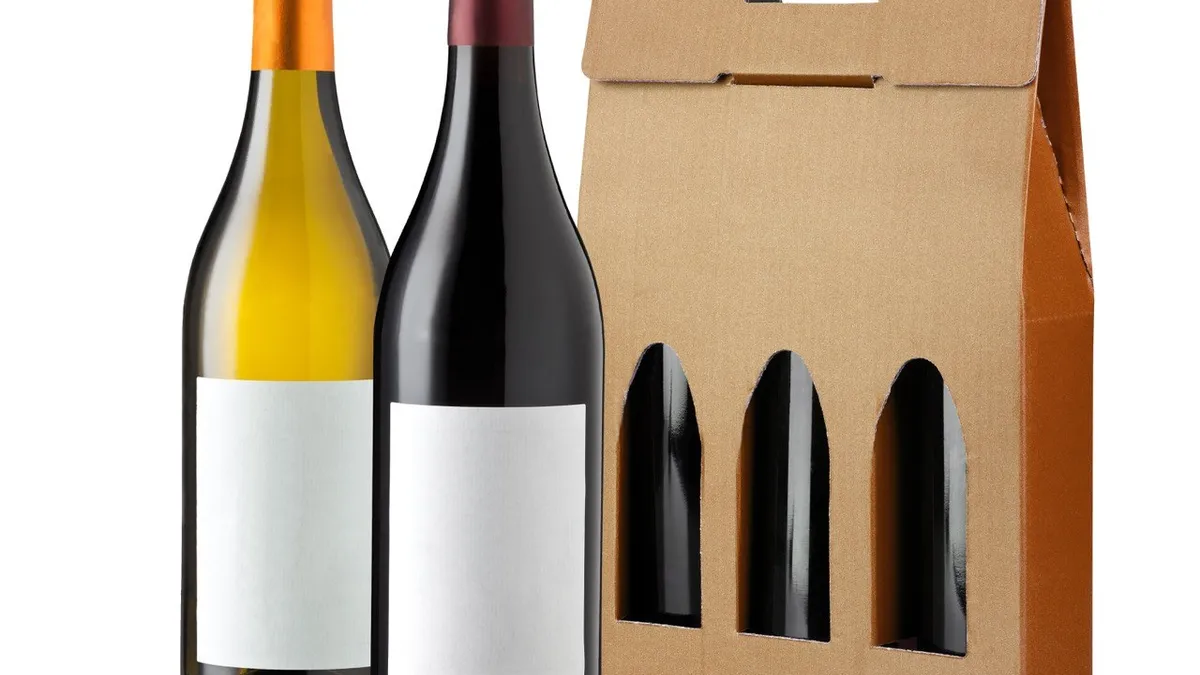
A gift box has to do two jobs that do not naturally agree. It has to look like a considered object when someone hands it over, and it has to come through a courier network that has no idea it is a gift. Most of the gift packaging problems we are asked to solve come from a pack that was designed for the first job and only later asked to do the second.
Start with how it will reach the recipient
Three routes, three different specifications.
Handed over in person, bought in a shop or at a cellar door. The pack has to look good and carry safely by hand. Board can be lighter, the closure can be simple, and print does most of the work.
Sent through a courier, direct from a producer or an online retailer. Now the pack is transit packaging that happens to be beautiful. The bottle needs to be held clear of the outer walls, the corners need board behind them, and the closure needs to survive being thrown onto a conveyor.
Shipped to a retailer in a case, then sold on. The gift box is the inner, and the outer case has to protect a dozen of them in a stack. That is a compression problem, not a drop problem.
Decide which of these the pack has to do before anyone talks about finishes. A pack that does all three exists, but it is heavier and dearer than one that does only what you need.
The formats that work
Single-bottle shipper or presentation box. The workhorse of direct-to-consumer gifting. A die-cut outer with an integral fitment, or an outer plus a separate insert, sized so the bottle cannot move.
Twin and three-bottle packs. The commonest gift configurations. Dividers keep glass from meeting glass, which is the main cause of breakage and of scuffed labels.
Tray and sleeve. A tray holds the bottles, a printed sleeve slides over. It presents well and gives you a large, uninterrupted print area without printing the structural pack.
Case formats for trade. Six and twelve-bottle cases with die-cut dividers, designed for stacking rather than for show, as covered in our guide to bottle carriers and on our drinks packaging page.
The fitment does the protecting
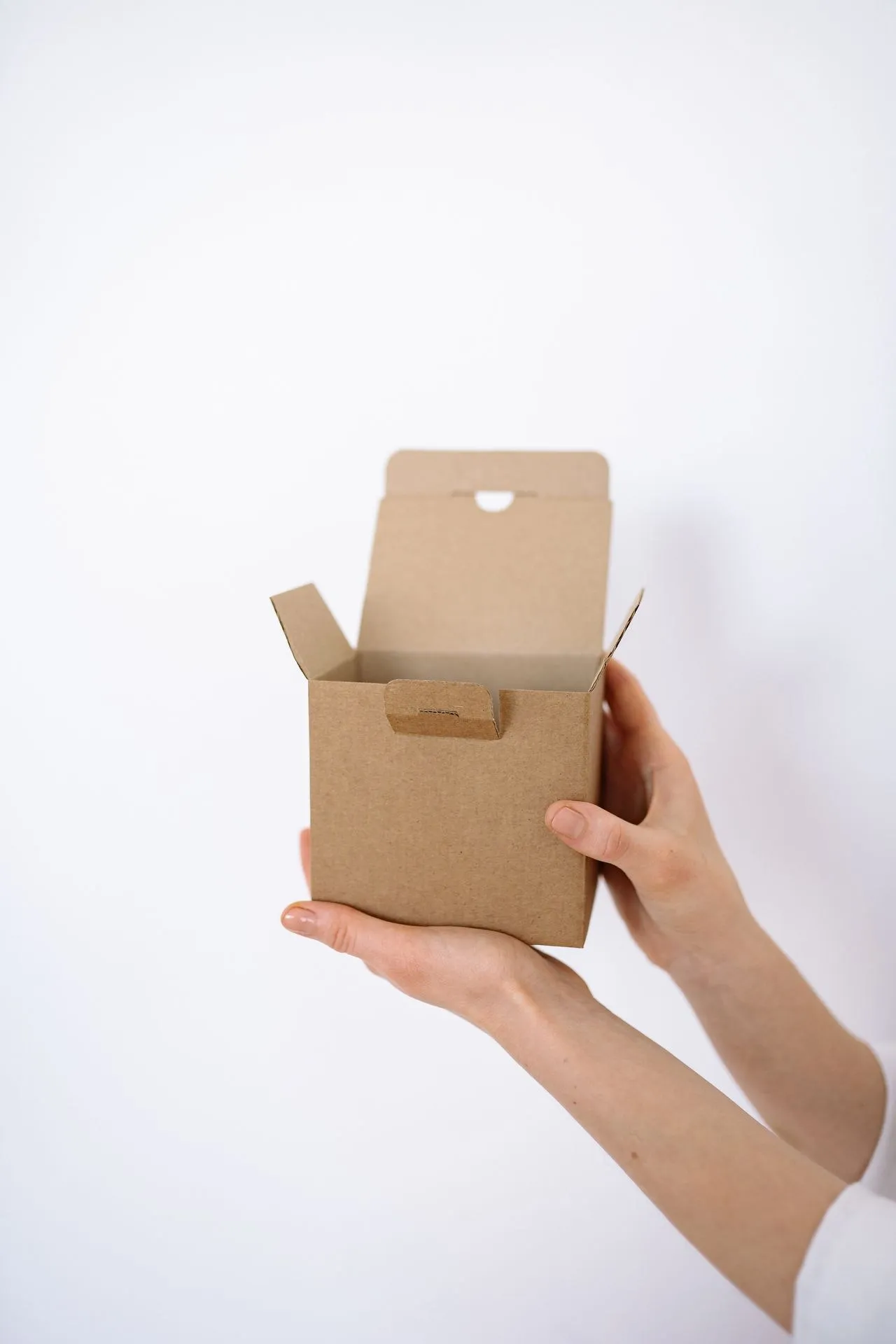
The outer box takes the knock. The fitment decides whether the bottle survives it.
A well-designed die-cut corrugated fitment does three things: it holds the bottle away from all four walls, it keeps the base clear of the floor of the box so a drop onto the bottom does not transmit straight into the glass, and it stops movement in transit, which is what scuffs labels and loosens capsules.
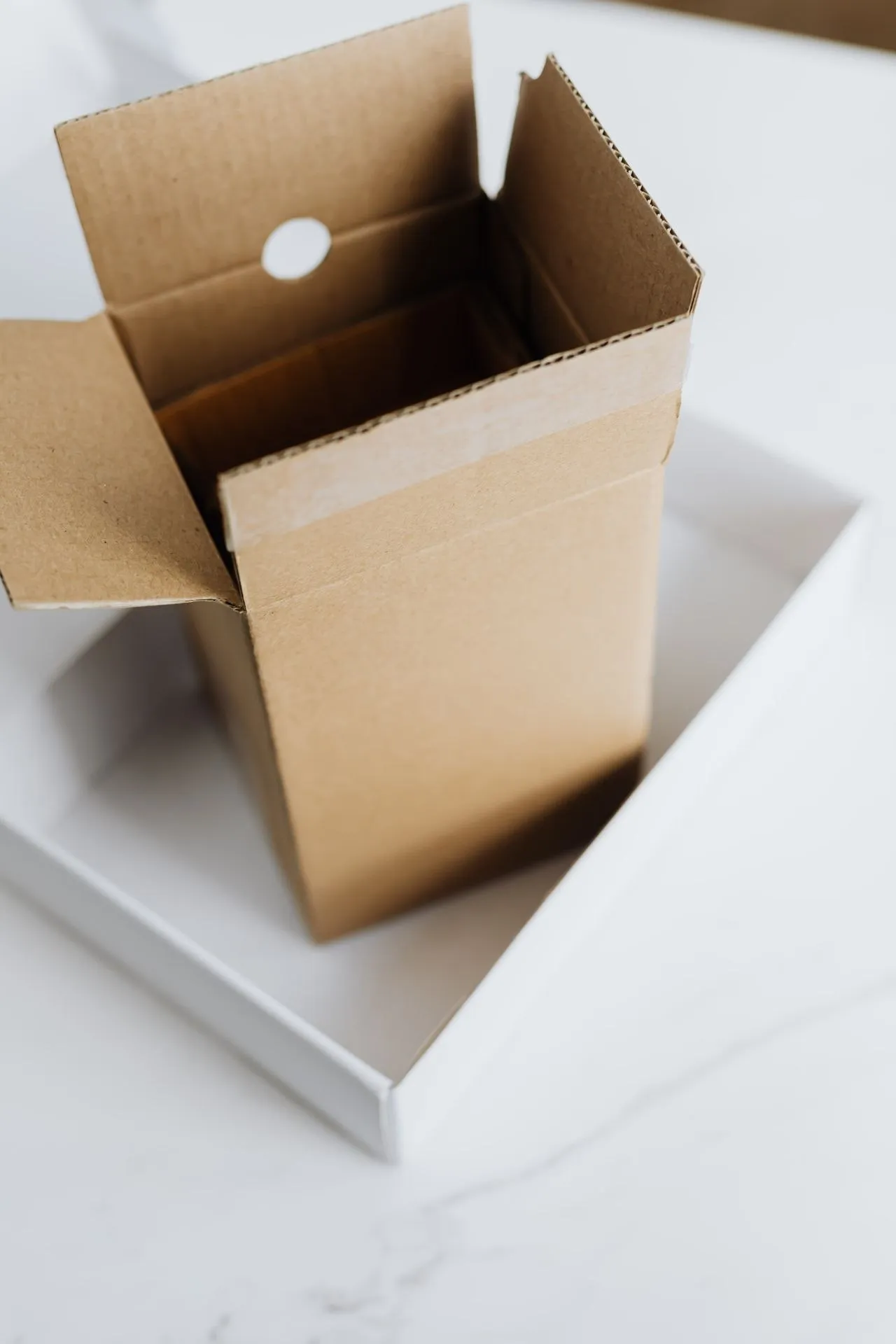
Keeping the fitment in corrugated rather than moulded plastic or foam matters commercially as well as environmentally. It recycles with the box, the recipient does not have to separate anything, and it is one material on your specification rather than two.
Board and print
For a pack that ships, B or BC flute gives the cushioning and compression strength the job needs. E flute is used where print quality on the outer matters most and the pack is not doing heavy transit work, often as a sleeve or an outer wrap over a sturdier tray.
Print is where gift packaging tempts people into spending money that does not show. Up to two-colour flexographic print, Pantone matched, covers a brand mark, a pattern and type cleanly on kraft or white liner, and we apply it inline on the same pass as cutting and creasing. Where a pack genuinely needs photographic imagery or a premium laminated finish, that runs through our print partners, and our guide to print methods sets out when the difference is worth paying for.
One caution: heavy varnishes and plastic laminates undermine the recyclability of a pack that is otherwise single-material. For drinks brands making sustainability claims, that is a trade worth making deliberately rather than by default.
Opening is part of the gift
A gift pack that needs a knife is a worse gift. A tear strip, a tuck-front closure or a lift-off lid gives a clean opening and leaves the pack intact afterwards, which matters because a presentation box often gets kept.
If the pack also needs to be tamper-evident for retail, that is a closure question rather than a label question, and it is cheaper to design in than to add later.
Order earlier than feels necessary
Seasonal drinks packaging has a hard deadline and a long tail of lead times behind it: structural design, a cut sample, approval, tooling, board, print and a production slot. Christmas packs are specified in summer, not in autumn. Leaving it to September means paying for speed, if speed is even available.
For a repeat seasonal programme, locking the specification and booking the run against an annual volume through a trade supply programme removes the scramble entirely.
Getting one designed
Send us the bottle, or its dimensions and weight, how the pack will reach the recipient, how many bottles, and whether it needs to stack. We design the outer and the fitment together on CAD, cut samples on the digital flatbed, and drop-test with real bottles before any tooling is ordered.
Tell us what you are packing and we will design it and quote.